

The Site of Fort Butler is a memorial in Murphy, North Carolina, marking the history of an army headquarters used during Cherokee removal in the 1830s. You can visit the memorial on Fort Butler Street and, separately, find outdoor interpretation at Murphy’s historic train depot.
- Location: Fort Butler Memorial Park, on Fort Butler Street west of Deweese Street.
- From Murphy Motel: about an 8-minute drive.
- What it commemorates: Fort Butler and its role in Cherokee removal.
- Other interpretation: outdoor exhibits at the historic train depot.
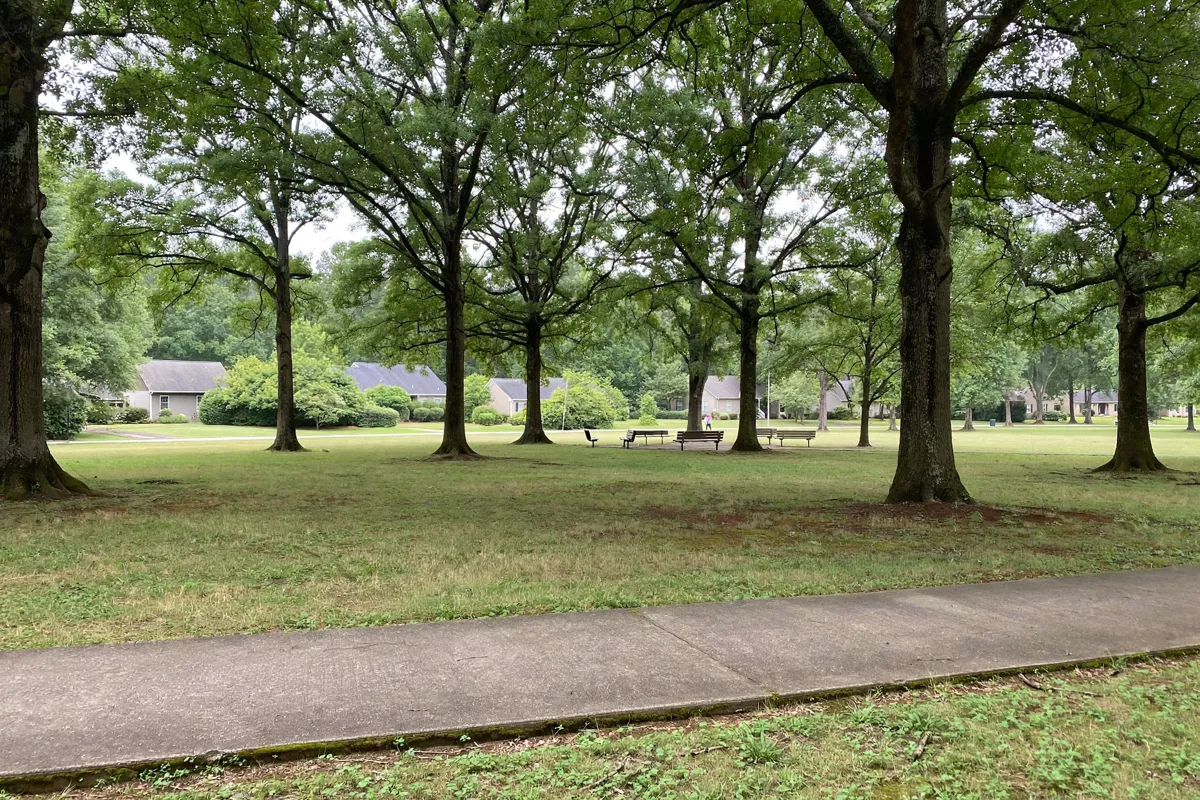
What the Site of Fort Butler Commemorates
Fort Butler served as an army headquarters for Cherokee removal in North Carolina during the 1830s. The fort stood on a hill above present-day Murphy, with a blockhouse, palisade, barracks, hospital and other buildings; temporary camps for Cherokee prisoners were located north and east of it.
The Town of Murphy says nearly 3,000 Cherokee were routed through Fort Butler between May and December 1838, toward internment camps around Fort Cass near present-day Charleston, Tennessee. The memorial’s inscription says the Tar Heel Investment Company erected it and donated the site to the Town of Murphy as a historical monument.
The fort itself no longer marks the location described by the roadside marker: the North Carolina Department of Natural and Cultural Resources places it one-quarter mile southwest of that marker, at Hiwassee Street and the Hiwassee River bridge.
The marker identifies Fort Butler as one of the forts where General Winfield Scott gathered Cherokee before their westward removal in 1838.
How do you find the Site of Fort Butler?
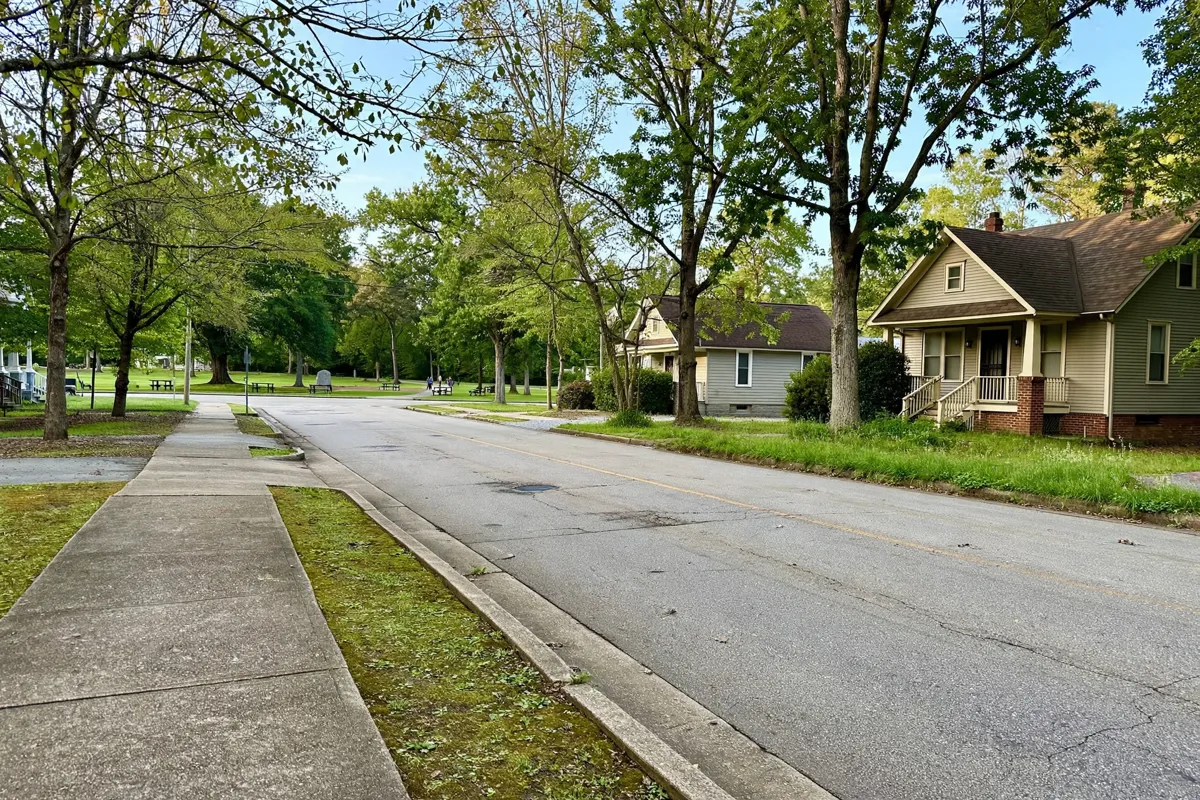
Look for Murphy Civitan Club’s Fort Butler Memorial Park on Fort Butler Street, west of Deweese Street. This is the location of the memorial, rather than the fort’s original position or the roadside marker at the river bridge.
A historical-marker record gives the memorial’s coordinates as 35° 4.885′ N, 84° 2.359′ W. If you are planning your route around town, how to get around Murphy without guesswork can help you think through local transportation.
Access and What to Expect
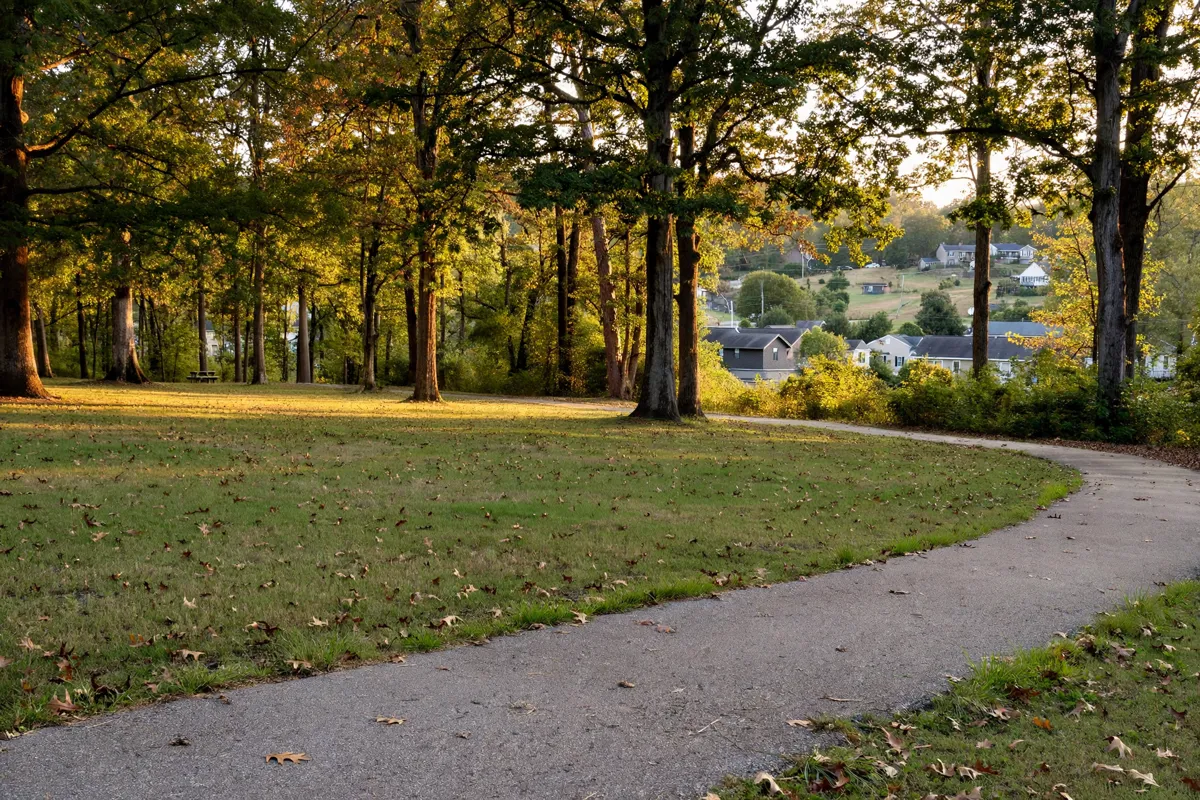
The Fort Butler Street memorial is in a park, and its marker describes the site’s donation to Murphy as a historical monument. Check the official site before you go for access details from the Town of Murphy.
For more context outdoors, the National Park Service’s Trail of Tears brochure identifies exhibits at the historic train depot, on the corner of Hiwassee and Railroad Streets. That is a separate interpretation location from the Fort Butler Street memorial. The North Carolina highway marker program has operated jointly with the North Carolina Department of Transportation since 1935.
The Town of Murphy also describes the Murphy Riverwalk as an approximately 3-mile trail with heritage and cultural-history interpretation related to Fort Butler and Cherokee removal. It offers another way to connect the local landscape with the history surrounding the site.
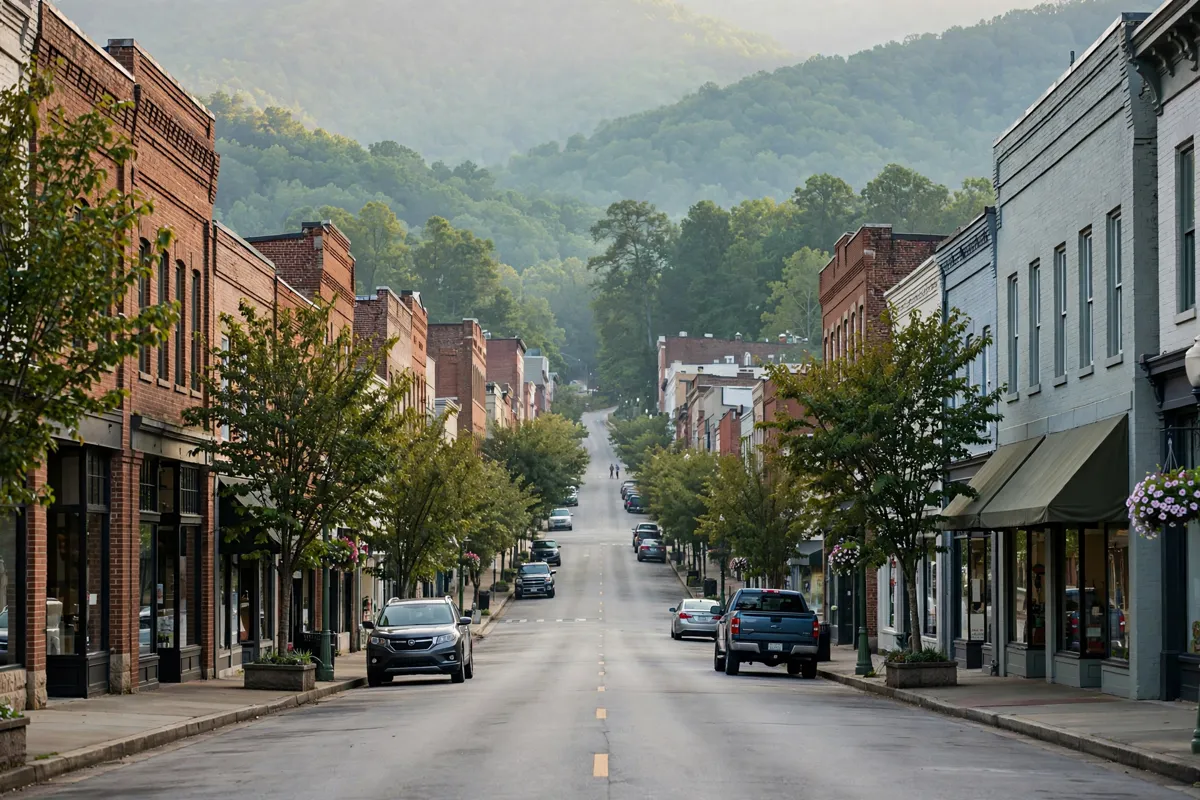
Pairing the Visit with Murphy Town Centre
Combine the memorial with downtown history stops if you want more context about Cherokee removal. The Town of Murphy directs visitors seeking further information about Cherokee removal and the Trail of Tears to the Cherokee County Historical Museum, at 87 Peachtree Street, Murphy, NC 28906. For town-centre planning, what to know about Murphy’s town centre covers the nearby area.
You could visit the Fort Butler Street memorial first, then continue to the museum or the separate depot interpretation, depending on which aspect of the history you want to focus on. Keep the different locations straight: the memorial is on Fort Butler Street, while the depot exhibits are at Hiwassee and Railroad Streets.
FAQs
Is the Fort Butler memorial at the fort’s original location?
No. The memorial is in Fort Butler Memorial Park on Fort Butler Street. The fort stood one-quarter mile southwest of the roadside marker at Hiwassee Street and the Hiwassee River bridge.
Where can you find outdoor exhibits about Fort Butler?
The National Park Service brochure identifies outdoor exhibits at Murphy’s historic train depot, at Hiwassee and Railroad Streets. These are separate from the Fort Butler Street memorial.
What other Murphy stop adds context about Cherokee removal?
The Town of Murphy points visitors to the Cherokee County Historical Museum in downtown Murphy for more information about Cherokee removal and the Trail of Tears.